
Indoor VS. Outdoor Seed Starting in Florida

One of the most common questions I hear from fellow gardeners is, "Where and how do you choose to start your vegetable seedlings?" People always want to know: Do I use grow lights? Do I grow indoors, or do I take it outside?
The answer to this million-dollar question is that my personal preference is to keep things simple and grow outdoors.
Sustainability is at the heart of everything we do, and I've found that growing outside is the most sustainable approach to seed starting. I don't use grow lights; instead, I opt for natural sunlight and upcycled materials rather than buying brand-new gear. Sustainable vegetable gardening naturally keeps things cost-effective. When we spend a ton of time, energy, and money trying to engineer a hyper-controlled environment for our seedlings, yes, we might see slightly higher initial results—but at what cost?
When I talk about keeping things sustainable and budget-friendly, that includes the gear we use. You don't need to run out and buy expensive plastic cell packs; instead, look around your kitchen! Cleaned-out yogurt cups (just remember to poke a little drainage hole in the bottom!), cardboard egg cartons, and even toilet paper rolls cut down to size make wonderful, free seed-starting vessels.
In this blog post, I'm going to cover a few different factors you should consider when deciding what is best for you, your garden, and whether you want to start your seeds indoors or outdoors.
Light Exposure
When you're growing outside rather than indoors, one of the first things to consider is light. While we have ways to manage our light exposure, Mother Nature keeps the reins when it comes to outdoor temperatures.
You'll want to find a spot in your yard that catches a gorgeous morning sun rather than the harsh afternoon rays—this is a crucial piece of the puzzle for outdoor seedling success! I personally have my own little setup tucked away out back by the patio. In the morning, they soak up that beautiful, filtered sunlight through the oak trees, giving them plenty of bright energy to grow strong and upright without getting leggy, while staying safe from the heavy heat of the afternoon sun.
Temperature
Hand-in-hand with light, temperature is another vital piece of the outdoor puzzle. One of the greatest perks of starting seeds in trays instead of directly in the garden bed is getting a wonderful jump on the seasons! However, when you're growing outdoors, that can take a little extra finesse.
The beauty of having your seeds in movable trays is that you can shower them with a little extra TLC whenever Mother Nature acts up—whether that means giving them cozy shelter from extreme temperatures, an extra blanket of warmth on a chilly day, or sweet shade during the blazing heat of summer.
If you're planting a delicate, sensitive crop outdoors without any kind of protection, you simply won't get that same early-season head start you would achieve in an enclosed environment. When those thermometer readings climb high, make sure to tuck your outdoor seedlings into a shady nook with fantastic airflow to keep them breezy and cool compared to sitting out in the direct, unforgiving sun!
Pest Management
Another extremely common question I hear whenever I mention that I grow my seedlings outdoors is: What do you do about the pests?
I typically use an integrative pest management approach, which means I opt for the least invasive measures possible and allow nature to do its thing. Most of the time, things naturally balance out—though I do experience a few losses here and there! For instance, if I spot a hungry little caterpillar on a seedling I'm getting ready to transplant, I simply hand-pick it off and toss it right over to the chickens. But let's be completely transparent: I do sustain higher losses growing outside than I would if everything were tucked safely indoors.
The wonderful silver lining? Growing from seed is an incredibly low-cost investment per plant. If you're saving your own seeds year after year, it is quite literally free! Even if you purchase a fresh packet of seeds, the cost per individual seed is wonderfully inexpensive.
Because of that, if you happen to sustain a little damage or lose a few seedlings to local pests, it’s not going to put a major dent in your pocketbook—unlike buying a tray of established starts from a pricey nursery or big-box store.
Since I know there might be a few casualties along the winding road of gardening, I always make sure to overplant more than I actually expect to need. If my garden calls for three or four plants, I'll happily pop five, six, or even seven seeds into action, depending on how badly I want a bountiful harvest just in case Mother Nature throws a curveball.
And hey, in the happy event that every single one of them survives and thrives? You can easily share the abundance with a dear friend or find another sunny spot in the garden to tuck them in!

Germination
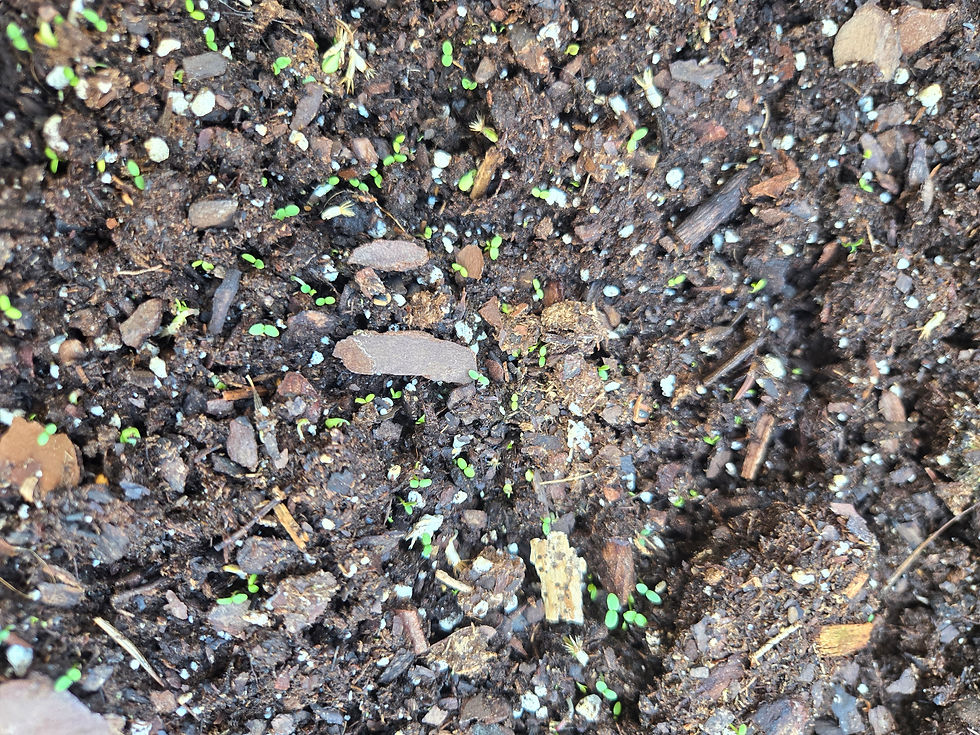
No matter whether you are growing your seedlings outdoors or keeping things cozy inside, it is always a smart strategy to drop not just one, but potentially two or even three seeds into each cell of your seed tray.
Doing this ensures you get the strong, reliable germination you're looking for, ultimately giving you the exact number of thriving plants you need come transplant day. It’s a wonderful, foolproof rule of thumb to keep in your back pocket—not just for seed-starting trays, but right out in the garden beds, too!
If you want to take that go-with-the-flow spirit a step further, you can even lean into a little chaos gardening! Sometimes, instead of meticulous rows and rigid spacing, there is something so liberating about scattering a handful of mixed seeds straight into a garden bed and letting Mother Nature decide who sprouts where. It’s wild, it’s beautiful, and it takes all the pressure right out of the process.
Watering
One of the final puzzle pieces to consider when growing outdoors is watering.
Heavy, driving downpours can easily wash delicate seeds or tiny young plants right out of their cells. Because of that, you'll want to provide a little bit of natural shelter for them—perhaps on a covered shelf, tucked under the eave of the house, resting on a patio, or placed beneath a dense shade tree that can break up heavy rain before it ever reaches the plants.
In addition, since outdoor temperatures are naturally more inconsistent and typically warmer than a controlled indoor climate, you'll need to keep a close eye on your seedlings. You'll generally find that growing outdoors means you need to check and water more frequently to keep everything happy and hydrated!
A quick word of advice on what goes inside those containers: while it might be tempting to scoop up native dirt right from your garden beds, you'll want to stick to a light, fluffy, organic seed-starting mix. Heavy garden soil tends to compact in small containers and can hold too much moisture or harbor unwanted weed seeds and pests, whereas a specialized seed mix gives those tender new roots the airy, well-draining home they need to thrive.
Hardening Off Seedlings
One final step you won't want to skip—whether your seedlings spent their early days cozy indoors or tucked out by the patio—is giving your plants a gentle transition to their ultimate garden home.
Taking a few slow days to help them acclimate to ambient temperatures and full sunlight makes all the difference. You might assume that because they've been growing outdoors all along, they can skip this transition time. But keep in mind: they are moving from a sweet, semi-sheltered spot with partial sun straight into a garden bed soaking up considerably more direct rays!
Giving them this gradual adjustment period avoids putting unnecessary stress on your tender plants during the transplanting process, helping them settle in smoothly and thrive all season long.
Cultivating Simplicity
Starting your own vegetables from seed doesn't have to be as complex—or as expensive—as we often make it out to be. Mother Nature's seedlings are wonderfully resilient, often much stronger and more adaptable than we ever give them credit for!
While starting seeds outdoors comes with a few natural caveats, it’s truly not nearly as intimidating as it might seem. Best of all, it remains one of the most deeply sustainable and budget-friendly choices you can make for your garden.
I'd love to hear from you—where do you usually start your seeds? Are you dedicated to your indoor setup under the lights, or do you love taking it outside to let nature work her magic? Let me know your favorite seed-starting routines or questions in the comments below!
Happy gardening, friends!


Comments