
The Architecture of a Home Day: How to structure "rhythms" rather than "schedules" to accommodate homeschooling, business, and rest without the burnout of a rigid 9-to-5.


For those of us balancing a home-centered life—homeschooling a daughter, tending to the garden and chickens, and running a business like Loaves & Groves—the traditional 9-to-5 "schedule" often feels like a cage. When we try to force our lives into rigid hourly blocks, the result isn't productivity; it’s burnout.
The secret to a sustainable, peaceful home life isn't a tighter schedule. It’s a rhythm.
Schedule vs. Rhythm: What’s the Difference?
A schedule is a taskmaster. It says, "It is 10:00 AM; you must be doing math now." If the sourdough overflows or a chicken gets into the garden, the schedule breaks, and we feel like we’ve failed.
A rhythm is a heartbeat. It’s a sequence of events that flow naturally into one another. It says, "After we finish breakfast, we move into lessons. After lessons are done, we move into creative work." Rhythm allows for the "breathing room" that a home-based life requires.
The Three Pillars of a Home Rhythm
To build an architecture that supports homeschooling, business, and rest, try structuring your day around these three anchors:
1. The Morning Momentum (The "Groves")
Start your day with the things that need your energy most. For many, this is the time for homeschooling and high-level business tasks.
The Anchor: Morning chores (feeding the chickens, checking the starter).
The Flow: Once the house is settled, move into focused "brain work." This is when the most difficult school subjects or the heaviest business emails get handled.
2. The Midday Reset (The "Loaves")
By noon, the initial morning energy usually dips. Instead of pushing through, use this as a natural pivot point.
The Anchor: A shared meal.
The Flow: This is the perfect time for "hand work"—artisanal baking, sewing, or gardening. It’s productive, but it’s a different kind of energy that allows your mind to rest while your hands are busy.
3. The Evening Wind-Down (The "Rest")
The goal of a rhythm is to ensure you aren't still "at the office" when the sun goes down.
The Anchor: Closing the shop/Closing the coop.
The Flow: Create a definitive end to the business day. Clear the kitchen counters, put away the sewing machine, and shift into a space of pure rest and family connection.
Designing Your Own Architecture
If you are ready to ditch the rigid timer, start by identifying your natural anchors. What are the things that must happen every day (like your Thursday 10:00 AM standing meeting)? Build your flow around those fixed points.
Remember: A home day is a living thing. Some days the sourdough needs more attention, and some days the garden calls louder. By following a rhythm rather than a schedule, you give yourself the grace to be present for whichever part of your life needs you most.
Bring the Rhythm into Your Kitchen
If your daily rhythm includes a bit of "kitchen therapy," make sure you have the right tools to keep it simple:
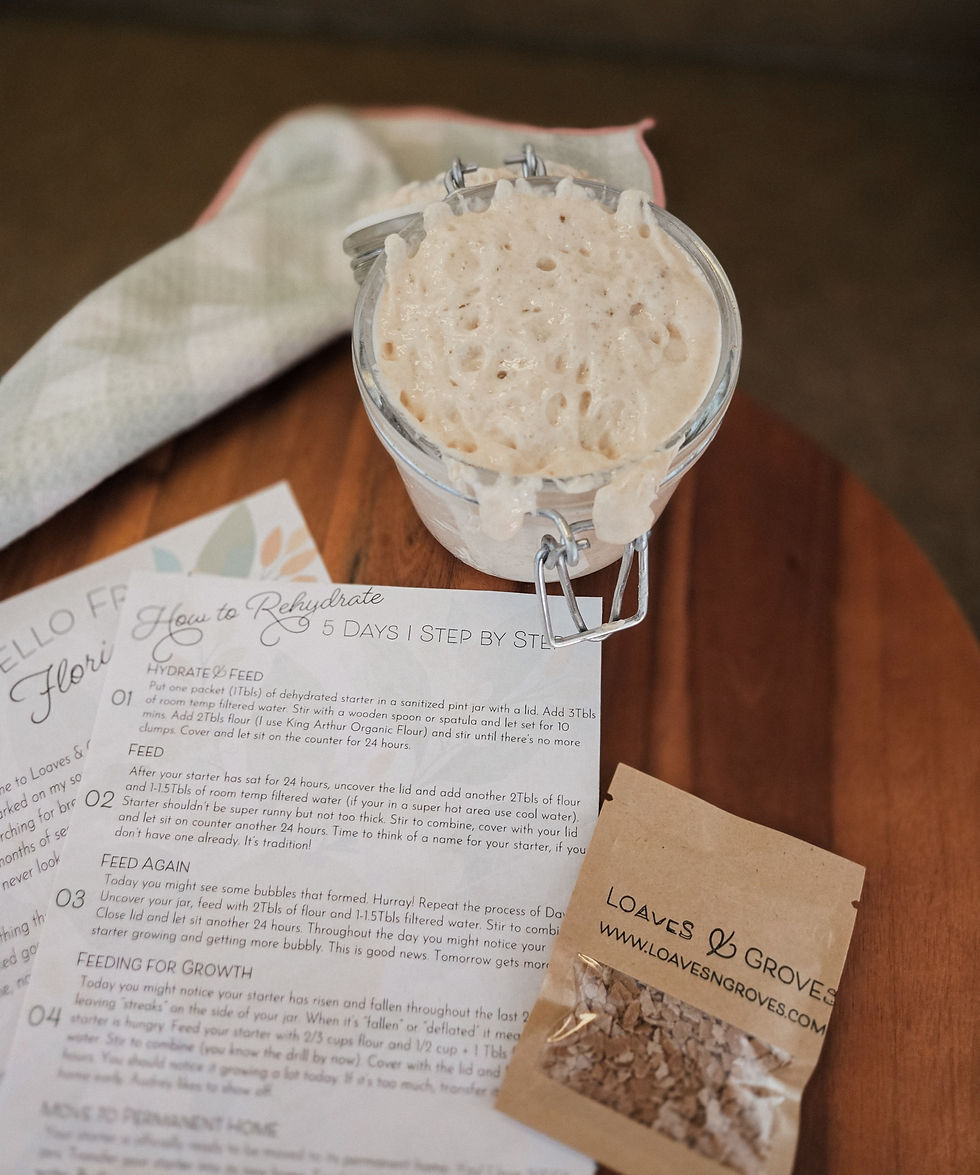
Start with ease: Grab Audrey, my organic dehydrated sourdough starter to simplify your baking flow.
Dive deeper: Find more ways to structure your home pantry in The Stocked Shelf guide.
How do you find balance in your home day? I’d love to hear about the rhythms that keep your home humming.

Comments