
The Art of the Blade: Simple Ways to Elevate Your Sourdough Scorin

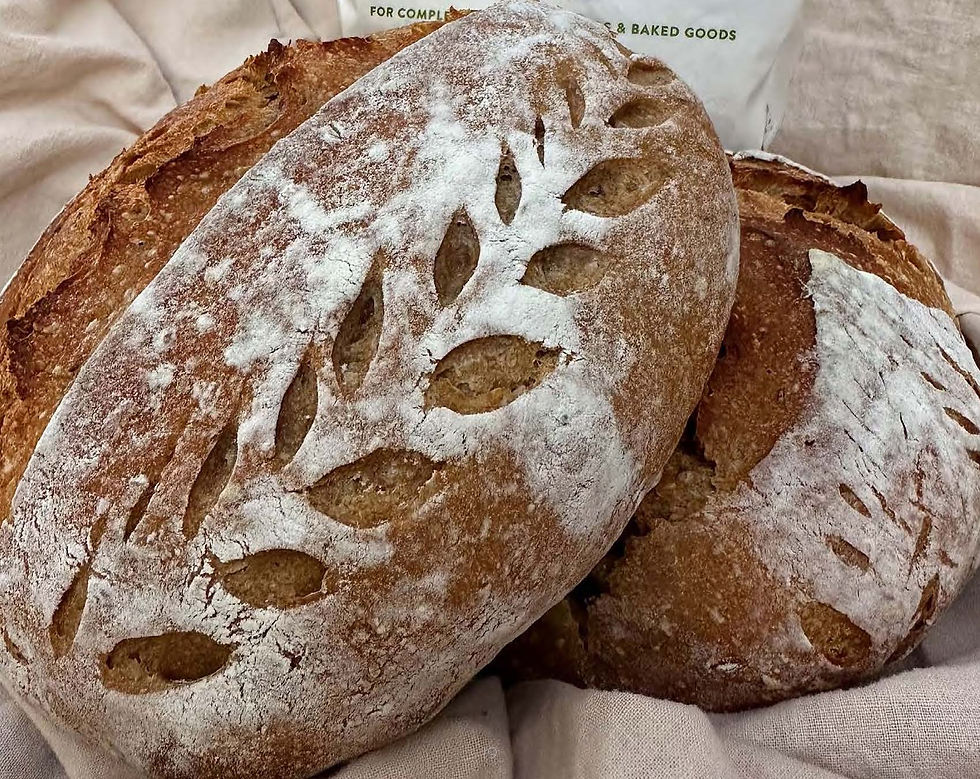
There is a moment in the sourdough baking process that always feels a bit like magic—and a little bit high-stakes. You have nurtured your starter, guided your dough through gentle stretches and folds, patiently waited out the bulk fermentation, and shaped a gorgeous, taut round.
And then comes the final act before it hits the oven: the score.
Taking a razor-sharp blade to a beautiful piece of dough can feel terrifying at first. What if you press too hard? What if the dough drags? But scoring isn't just about creating a pretty pattern; it is an essential step that directs how your loaf expands, allowing steam to escape and giving you that prized, soaring "ear" and a beautifully blistered crust.
You don’t need to be a pastry artist carving intricate wheat stalks to bake a stunning loaf of bread. Here are a few simple, approachable ways to elevate your sourdough scoring and bring a touch of everyday art to your kitchen.
1. The Essentials: Why the Right Tool Matters
Before you make your first cut, let’s talk about your equipment. While a standard kitchen knife might seem like it would work, a dull blade will drag, pull, and deflate your carefully aerated dough.
The Lame: A traditional baking lame holds a double-edged razor blade at a slight angle, giving you the precision needed to slice cleanly through the gluten skin without sticking.
Keep It Sharp: Just like in the garden, a sharp blade makes all the difference. Change your razor blade frequently so it glides through the dough like butter.
2. Temperature and Texture Are Your Friends
Have you ever tried to score a warm, sticky loaf straight from the counter and watched the blade catch and tear the dough? It can be deeply frustrating!
The Cold Retard Advantage: This is where the magic of the overnight refrigerator rest shines. Chilling your shaped loaf in the fridge overnight firms up the outer skin of the dough, creating a smooth, stable canvas.
Pro-Tip: Score your loaf straight out of the refrigerator while it is ice-cold. It holds its shape infinitely better and allows for crisp, clean lines.
3. Three Simple Scoring Patterns for Everyday Baking
You don’t need hours of practice to make your loaf look bakery-worthy. Start with these three foundational cuts:
The Classic Cross (The Liqueur Score): A single, confident slash straight across the top of the round, or a gentle cross shape. Hold your blade at a 30-degree angle to the dough (rather than straight up and down) to create a gorgeous flap that pulls back into a raised ear during the bake.
The Crescent Moon: A sweeping, curved arc from one side of the loaf to the other. This creates a dramatic, asymmetrical opening that lets the interior crumb bloom open beautifully.
The Stacks (Multiple Parallel Slashes): Three or four small, diagonal slashes running parallel across the top. As the loaf bakes, each little slash pops open independently, creating a row of textured, rustic ridges.
4. The Secret Ingredient: A Touch of Flour or Rice Flour
Before you score, dust the top of your chilled loaf lightly with white rice flour or all-purpose flour. Not only does the contrast look striking once baked—making your dark scores pop against a pale, powdery background—but it also keeps your lame from sticking to any damp spots on the dough's surface.
Embracing the Rustic Beauty
At the end of the day, artisan bread is meant to be rustic, grounding, and deeply nourishing. Your scoring doesn’t have to look like it came out of a glossy magazine to be a success. Every single loaf carries the unique fingerprint of your hands, your kitchen, and your rhythm.
So hold your blade with confidence, take a breath, and let your creativity flow across the crust!

Comments