
The Seasonal Starter: Navigating Florida’s Humidity and Heat

Living in Florida means our kitchens don't just have seasons; they have "micro-climates." One day it’s a dry 65°F morning, and the next, the humidity is so thick you can practically feel the air sticking to your flour. For a sourdough baker, these shifts are more than just weather reports—they are the invisible hands shaping your bread.

If you’ve noticed your einkorn starter behaving like a different beast lately, you aren’t imagining it. Here is how to read the Florida air and adjust your rhythm for the perfect loaf, year-round.
The Heat Factor: Speed vs. Flavor
In the height of a Florida summer, your counter is likely sitting at a balmy 78°F to 82°F. Heat acts like an accelerator for yeast.
The Challenge: Your starter may peak and collapse in just a few hours, leading to over-fermented dough that feels sticky and loses its structure.
The Adjustment: Use cooler water when mixing your dough to "reset" the internal clock. If your starter is moving too fast, try a smaller inoculation (use less starter in your feed) or move it to a slightly cooler spot, like a lower pantry shelf away from the stove.
The Humidity Struggle: Hydration is Fluid
Florida’s humidity means your flour is already holding onto moisture before you even add a drop of water.
The Challenge: A recipe that worked perfectly in February might result in a "puddle" of dough in July.
The Adjustment: Hold back about 10% of the water in your recipe. Feel the dough first. You can always add a tablespoon more if it feels too stiff, but it’s much harder to manage a dough that has become unintentionally high-hydration due to the air.
The Winter "Slow-Down"
Yes, we have a winter! When the AC finally turns off and the house dips to 68°F, your starter might seem sluggish.
The Challenge: Long proofing times that can lead to a very sour profile (which some love, but others find overwhelming).
The Adjustment: Use warm water (around 85°F to 90°F) for your feeds. You can also create a "proofing box" by putting your starter in the oven with just the light on—that small amount of warmth is often all it needs to find its groove again.
Quick Tips for the Florida Baker
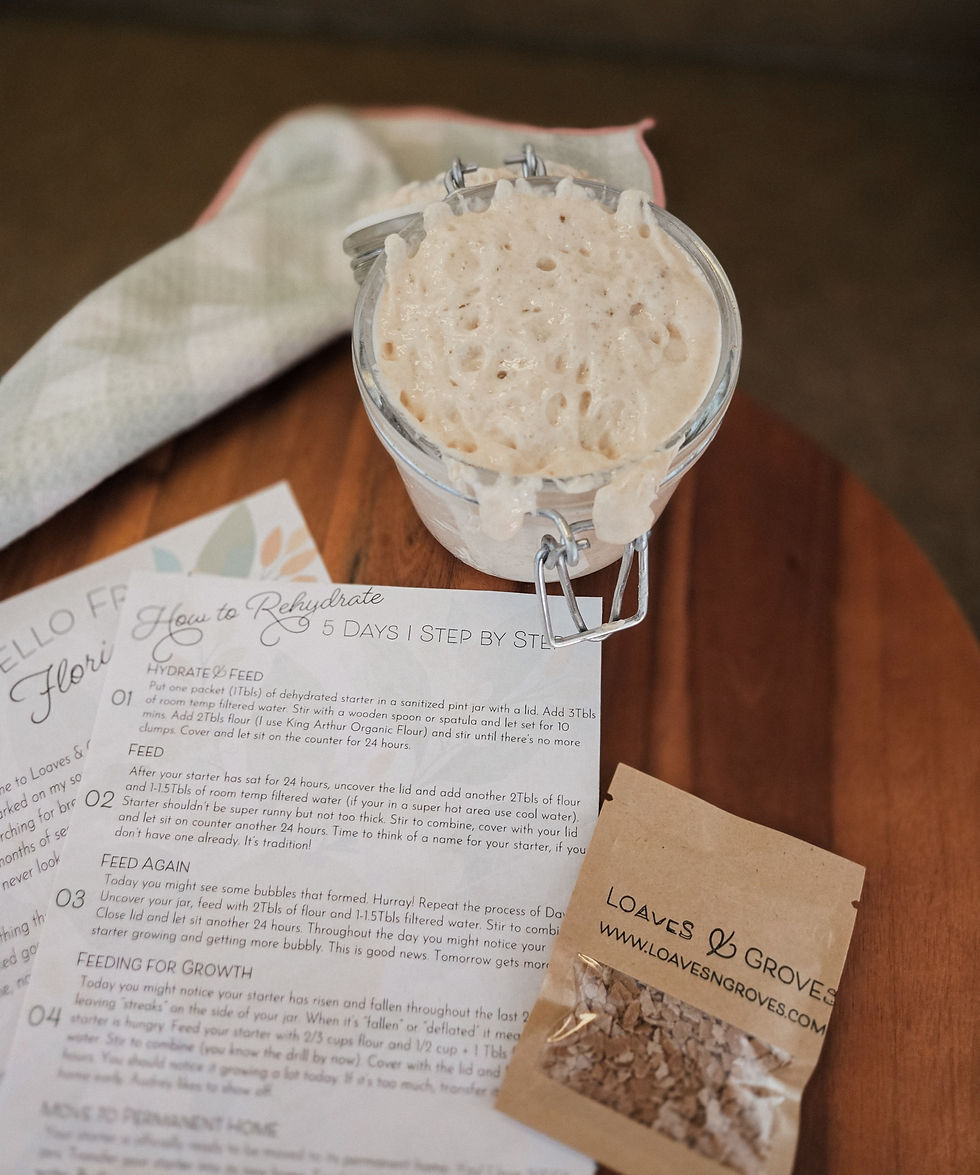
Watch the Bubbles, Not the Clock: In Florida, "let rise for 4 hours" is a suggestion, not a rule. Rely on the visual cues of your fermentation.
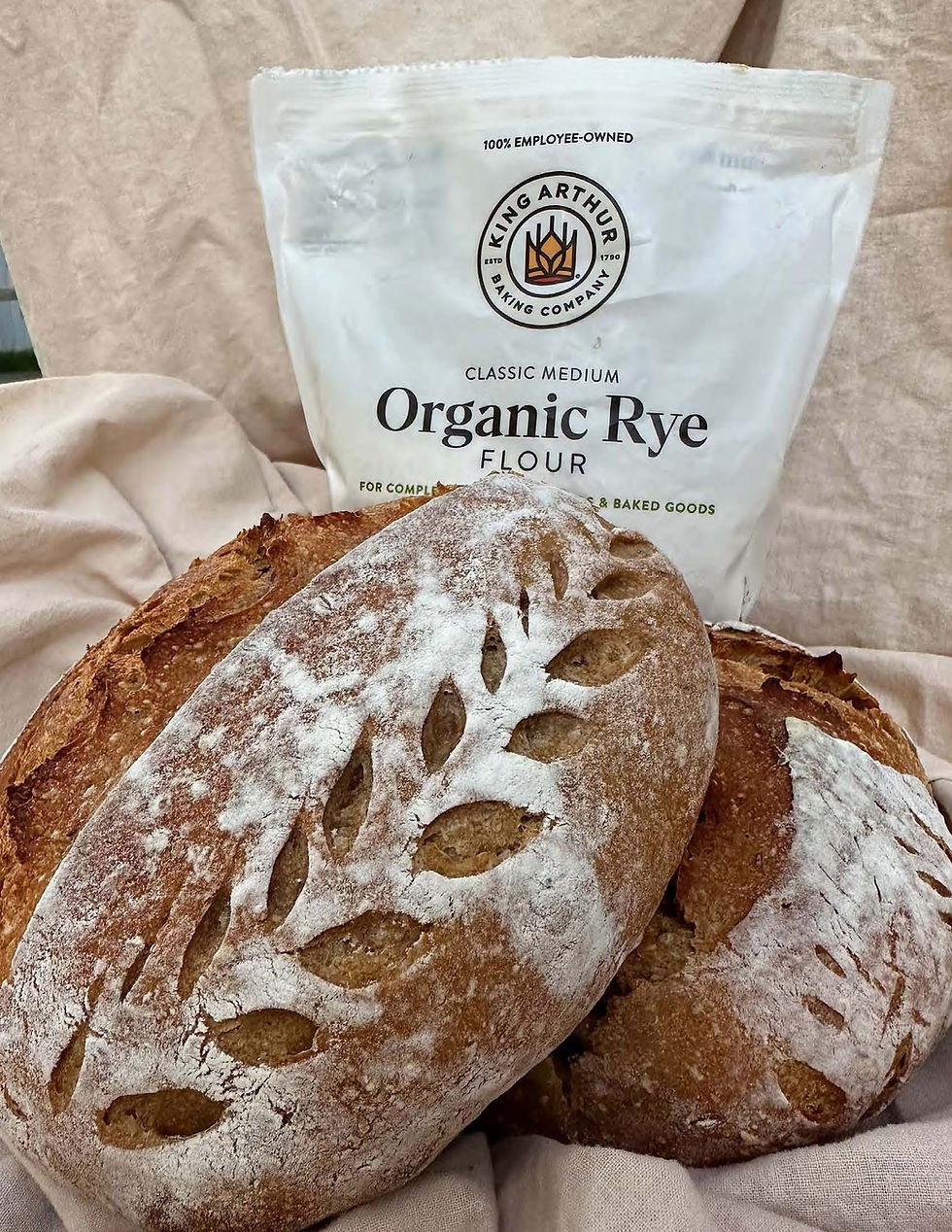
Store Flour Wisely: Because of the humidity, keep your einkorn and organic flours in airtight containers (or even the freezer) to prevent them from absorbing moisture and spoiling.
The "Fridge Hack": If the heat is making your dough too hard to handle, don't be afraid to do your bulk fermentation in the fridge. It slows everything down and lets those complex flavors develop without the risk of a "blowout."
How is your starter reacting to the current shift in weather? Drop a comment below—I’d love to hear your sunshine-state baking hacks!
Note: If you're looking for the right tools to measure these shifts, check out my Favorite Sourdough Tools post for my go-to thermometers and jars.
Comments